Learn Spanish
with Stories
Graded short stories with native audio — from absolute beginner (A1) to upper-intermediate (B2). Read at the right level, listen as you go, and build real Spanish naturally.
Stories help you acquire vocabulary and grammar in context, making it easier to remember and recognise Spanish in real conversations.
How it works
Graded stories
Every story is calibrated to a CEFR level (A1–B2) and a difficulty step (1–9) within that level, so you always read at exactly the right challenge.
Native audio
Each story is narrated in a native-accent Spanish voice. Follow the text as you listen — a powerful combination for building listening and reading skill together.
Clear progression
The 1–9 difficulty scale within each CEFR level lets you move forward in small, comfortable steps. No jarring jumps.
Grammar awareness
Each story is tagged with the grammar points it practises, so you can see which structures appear as you read and absorb the language naturally.
Learning Spanish through stories
Reading graded stories is one of the most effective ways to learn Spanish. Instead of memorising vocabulary lists, you see words and grammar used naturally in context — which is how long-term retention actually works.
LinguaVerseSchool stories are organised by CEFR level (A1–B2) and graded by difficulty within each level. This lets you progress gradually, building confidence while improving both reading and listening comprehension.
Spanish levels (A1 → B2)
Stories are organised by CEFR level — the international standard for language proficiency. Not sure where you fit? Start at A1; you can always jump ahead.
Core beginner Spanish: everyday vocabulary, short sentences, and essential grammar including present tense, questions, negation, gender and articles, pronouns, and the key distinction between ser and estar.
What you'll meet
- very common everyday vocabulary with short, clear sentences
- present tense, questions, negation, and basic connectors like y and pero
- the ser vs. estar distinction — central to Spanish from day one
Builds on A1 with a wider grammar range for narration and description, including pretérito indefinido, imperfecto, reflexive verbs, object pronouns, comparatives, and the near future.
What you'll meet
- stories about past events, routines, and plans with more detail
- pretérito indefinido for completed events, imperfecto for background and description
- reflexive verbs, object pronouns, comparisons, and gustar-type constructions
More independent, expressive Spanish with richer sentence structure. Grammar at this level includes the present subjunctive, conditional forms, relative clauses, and the perfect tenses.
What you'll meet
- longer narratives with opinions, explanations, and more natural flow
- querría, podría, and other conditional forms, plus the present subjunctive in common triggers
- relative clauses, the pretérito perfecto, and passive voice with ser
Advanced Spanish with denser sentence structure and more nuanced expression. Grammar includes the imperfect subjunctive, sequence of tenses, indirect speech, and a wider range of complex clause linking.
What you'll meet
- denser prose, more cultural and idiomatic language, and less hand-holding
- imperfect subjunctive, sequence of tenses, and complex indirect speech structures
- more expressive vocabulary, register variation, and subtle shades of meaning
The 1–9 difficulty scale
Within each CEFR level, stories are graded 1 to 9. Difficulty 1 is the gentlest entry into that level; difficulty 9 means you're ready to move up. On story cards you'll see it displayed as, for example, A1Difficulty: 3
The same scale applies at every level — each level has its own equivalent progression.
Just starting
Very short sentences. One idea at a time. Only the most common words.
Very easy
Short sentences with basic connectors. Very limited grammar range.
Easy
Slightly longer sentences. A little more vocabulary variety.
Easy+
Beginning to mix structures. Short paragraphs with clear sequencing.
Moderate
Comfortable with the core grammar of this level. Occasional dialogue.
Moderate+
More sentence variety. Light use of time and linking expressions.
Challenging
Compound sentences. Simple cause/effect. Richer everyday vocabulary.
Hard
Longer, more varied sentences. Wider range of level-appropriate grammar.
Almost there
Peak of this level. Full range of level-appropriate grammar. Ready to move up.
Start reading — easiest first
See all →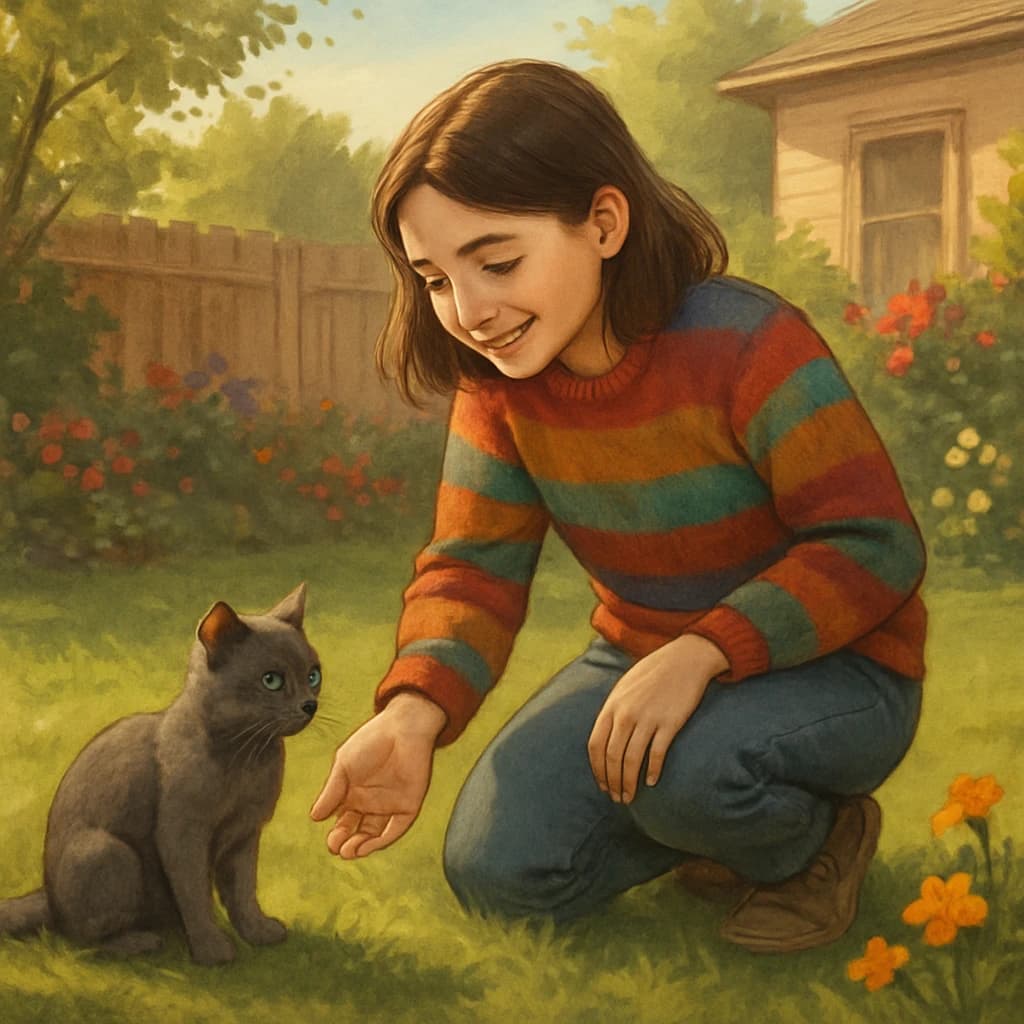
La gata perdida
97 words
Difficulty: 1
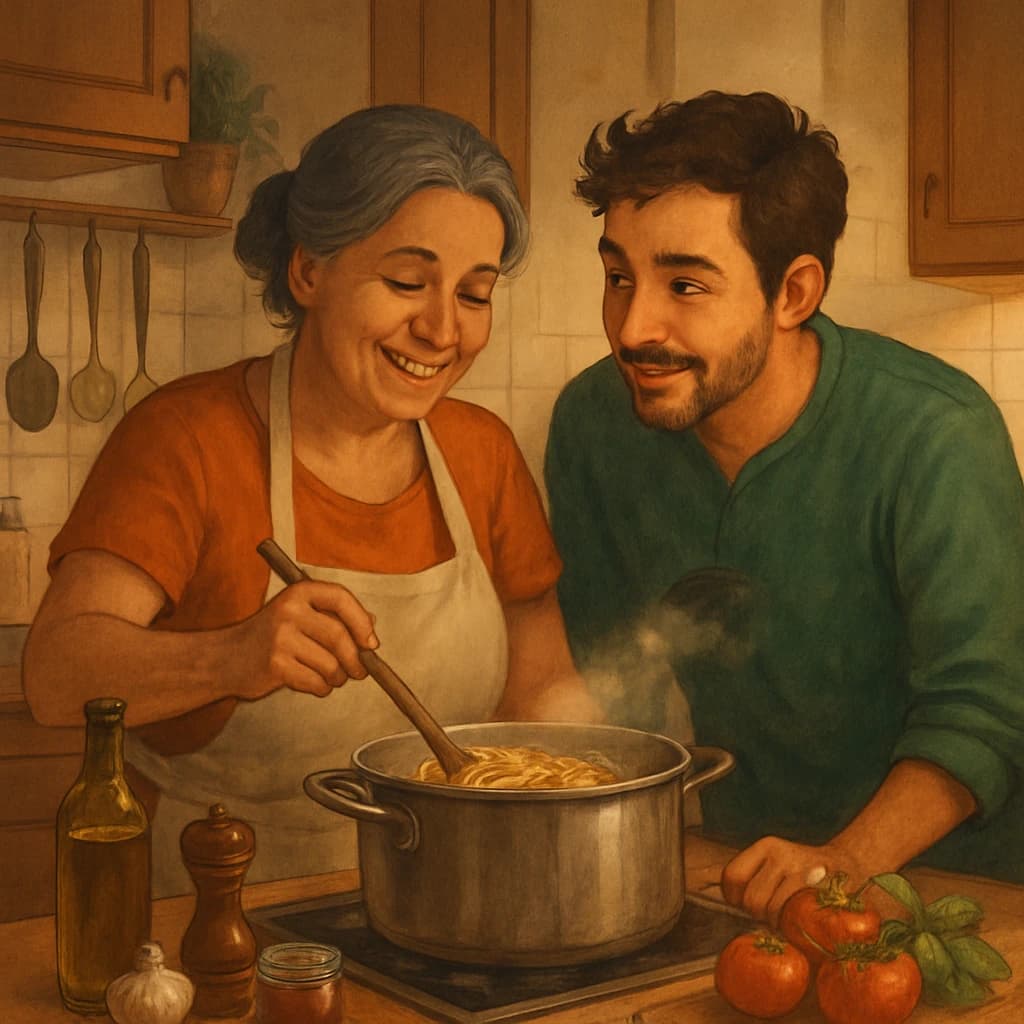
Cocinando con Amigos
81 words
Difficulty: 1

La fiesta sorpresa de Jorge
75 words
Difficulty: 1

En la escuela de Sofía
92 words
Difficulty: 1

En la casa de Luis
121 words
Difficulty: 1

La feria de ciencias
155 words
Difficulty: 2
Ready to start?
Browse all 76 Spanish stories, filter by level and difficulty, and find your perfect starting point.
Browse all Spanish stories →