French Reading Practice Guide
Reading in French is one of the most effective ways to build vocabulary, understand grammar in context, and gain confidence with the language.
This guide will show you:
- What makes French reading unique
- How reading difficulty develops from beginner to intermediate
- How to practise effectively using stories and audio
- How to choose the right level for steady progress
If you want to improve your French naturally, reading regularly is one of the most reliable approaches.
Is French Easy to Read?
French reading can feel both familiar and challenging at the same time.
On the one hand:
- Many words look similar to English (cognates)
- Sentence structures are often recognisable
- Written French is relatively consistent
On the other hand:
- Pronunciation does not always match spelling
- Silent letters are common
- Spoken and written forms can differ
This means reading may feel easier than listening — especially early on.
You may understand more than you expect when reading French, even if listening still feels difficult.
What Makes French Reading More Complex?
As you progress, French introduces layers of nuance.
Learners often notice:
- Verb forms becoming more varied
- Agreement rules across longer sentences
- Pronouns that change sentence structure
- More formal or written-style expressions
These features make French reading rich, but sometimes slower to process at first.
How to Improve French Reading Effectively
A combined reading + listening approach works best.
Try this progression:
- Read the text on its own
- Read again while listening
- Listen without looking
This helps you:
- Link spelling with pronunciation
- Improve comprehension naturally
- Build confidence with longer texts
You don’t need to understand everything — focus on following the meaning of the text.
French Reading Levels (A1 to B2)
Reading ability develops gradually, with each level introducing new patterns and structures.
Beginner French Reading (A1)
At A1, reading focuses on simplicity and familiarity. You’ll encounter: - Very short sentences - Present tense verbs - Everyday vocabulary - Clear, predictable phrasing The aim is to: - Recognise key words quickly - Get comfortable with basic structures - Build early confidence

Une surprise au jardin
464 words
Difficulty: 9

Une fête d'anniversaire surprise
293 words
Difficulty: 8

La surprise de Léa
422 words
Difficulty: 7

Le voyage de Jean
215 words
Difficulty: 5

Une journée au marché
234 words
Difficulty: 6

Le premier jour de Sophie
191 words
Difficulty: 5
Elementary French Reading (A2)
At A2, texts begin to feel more expressive. You’ll see: - References to past and future - More descriptive language - Longer sentences - A wider range of vocabulary At this stage, reading often becomes smoother, even if some grammar still feels unfamiliar.

La découverte artistique
507 words
Difficulty: 8
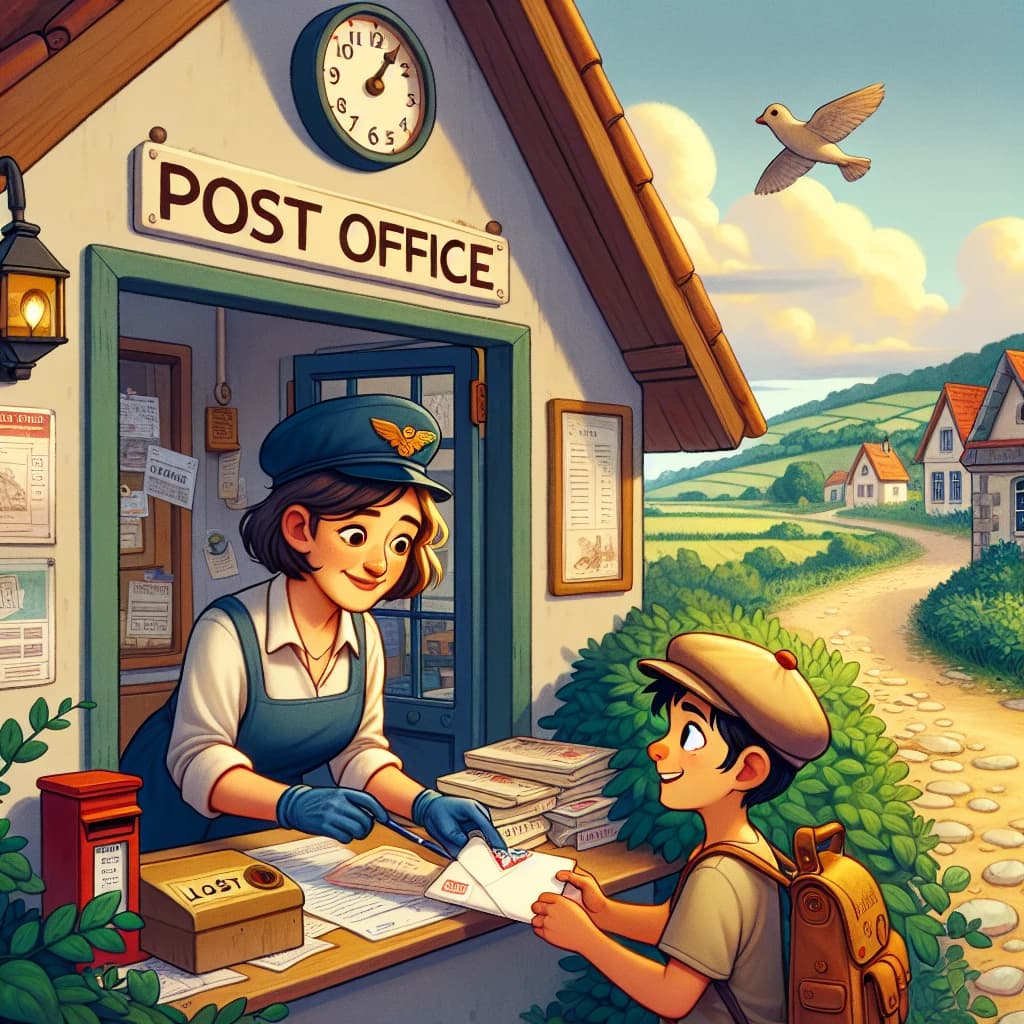
La lettre mystérieuse
430 words
Difficulty: 7

Le jardin de la compétition
394 words
Difficulty: 6
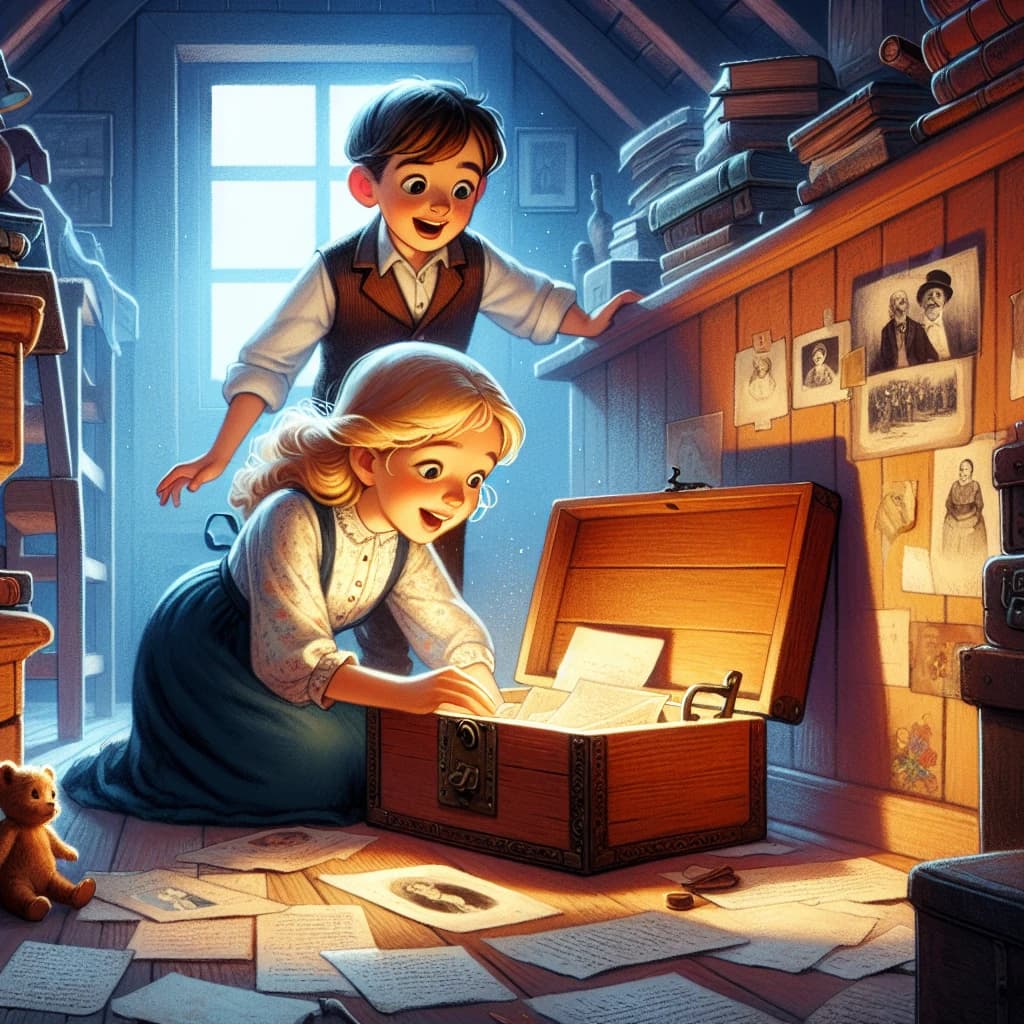
Une découverte surprenante dans le grenier
409 words
Difficulty: 5
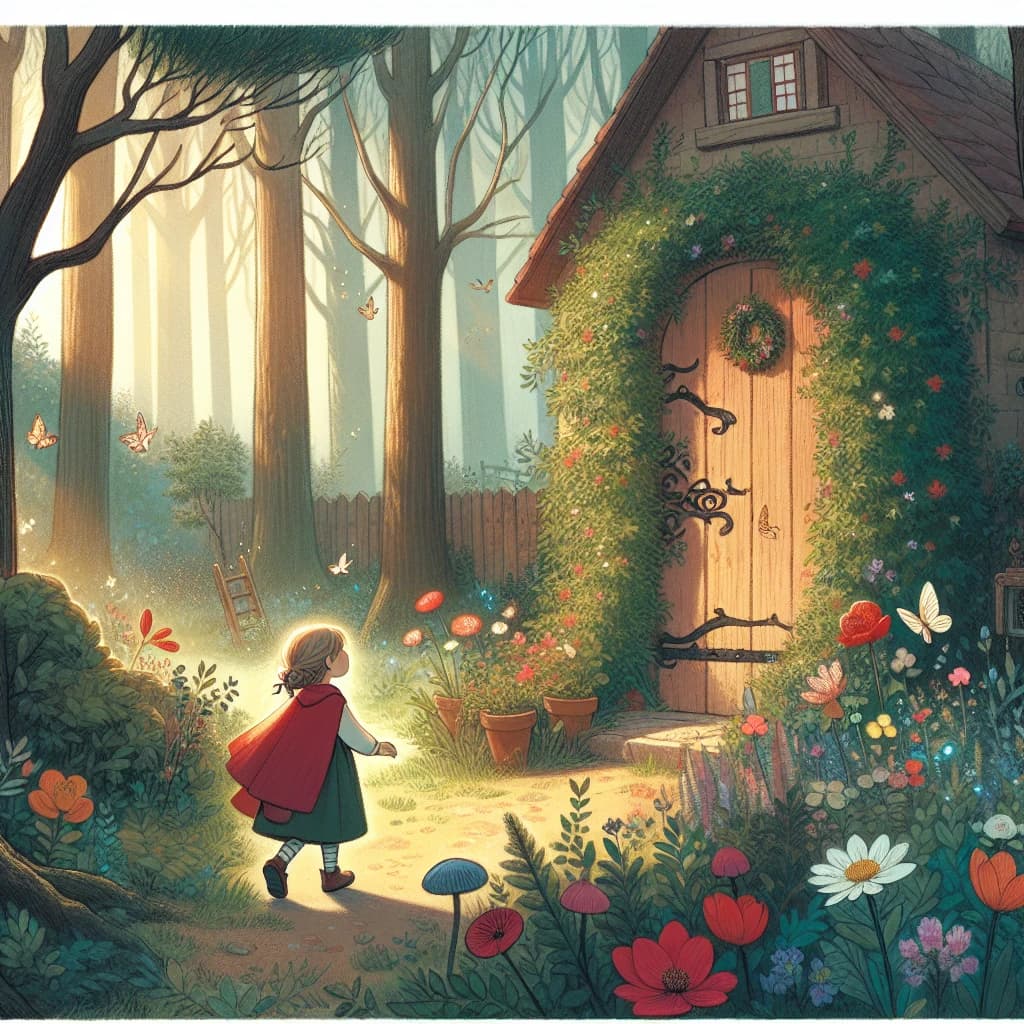
Le jardin secret de Léa
328 words
Difficulty: 4
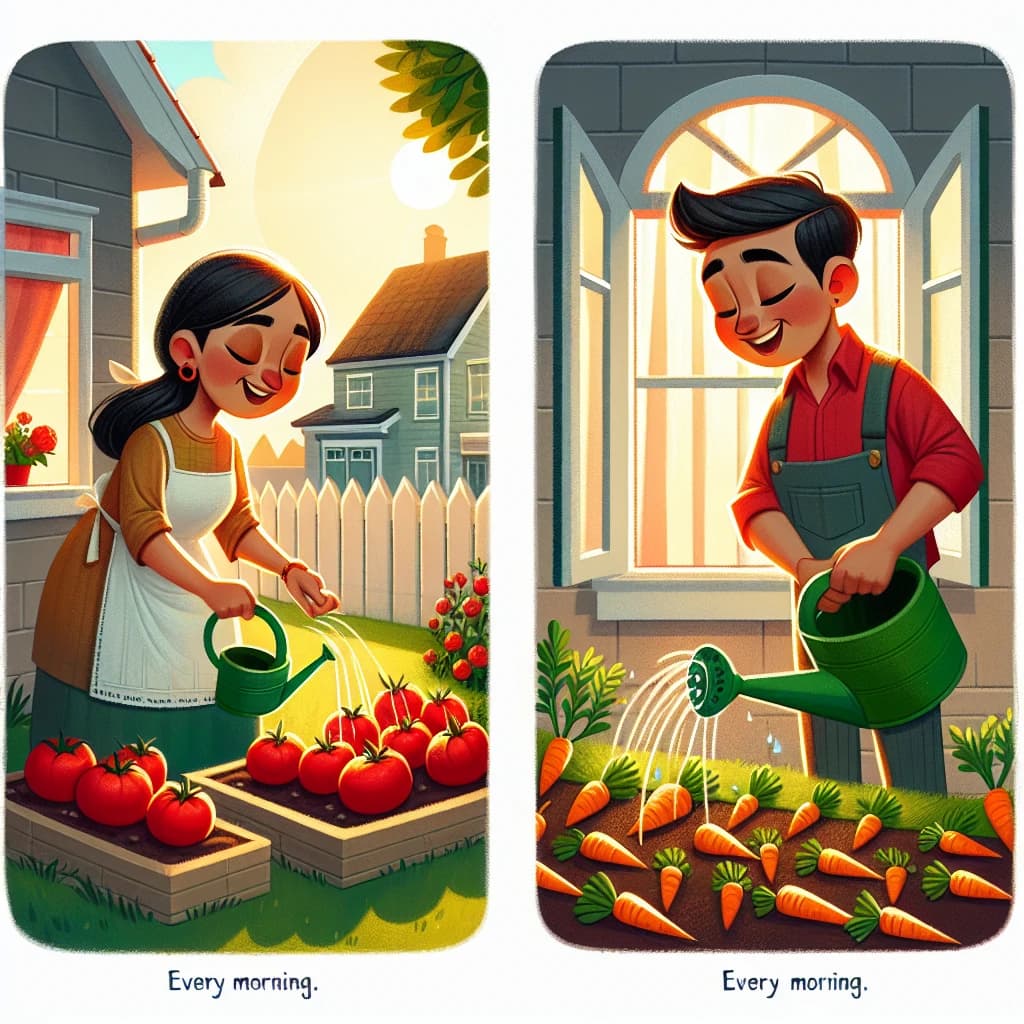
La Compétition Amicale
323 words
Difficulty: 3
Intermediate French Reading (B1)
At B1, you move towards independent reading.
You can:
- Follow short narratives without translating everything
- Understand main ideas with reasonable ease
- Read about familiar topics with confidence
Texts may include:
- Multiple verb tenses
- More detailed descriptions
- Subtle or implied meaning
This is where reading begins to feel more natural.
How Long Does It Take to Improve French Reading?
Progress depends on consistency, but a typical pattern is:
- A1 → A2: a few weeks to a few months
- A2 → B1: several months of regular reading
- B1 → B2: longer-term development
Reading regularly helps you absorb patterns naturally rather than memorising rules.
Common Mistakes When Reading French
Avoid these habits:
- Trying to translate everything
- Choosing texts that are too difficult
- Focusing too much on grammar while reading
- Stopping too frequently
Instead, aim to follow the flow of the text.
Choosing the Right French Reading Level
You’re at the right level if:
- You understand most of the text
- You can guess unfamiliar words
- Reading feels manageable and engaging
If reading feels slow or frustrating, choosing slightly easier material often leads to faster progress.
LinguaVerseSchool’s difficulty scale allows you to move gradually within each level.
French Reading Practice by Level
Start here
French A1 StoriesNext step
French A2 StoriesReady for more
French B1 StoriesChallenge yourself
French B2 StoriesMaster level
All French StoriesCreating a Sustainable Reading Habit
A simple routine works best:
- Read one short story regularly
- Use audio to reinforce understanding
- Revisit texts to improve fluency
Consistency over time leads to noticeable improvement.
Start Reading French Today
Choose a story that matches your level and begin.
French Reading FAQs
Is French harder to read than Spanish or Italian?
French can feel more complex due to spelling and pronunciation differences, but reading is still very accessible with the right level.
Can beginners read French texts?
Yes. A1-level texts are designed with simple vocabulary and structure, making them suitable for beginners.
Should I translate while reading?
It’s better to focus on understanding the overall meaning rather than translating each word.
How often should I read in French?
Short daily sessions are more effective than occasional long ones.
Why does reading feel easier than listening?
Written French is clearer and more structured, while spoken French includes reductions and faster pacing.